You post a Reel you spent an hour editing. You watch it go live, refresh the insights, and see people swiping past it within seconds. No comments, no interaction, just another video absorbed into the feed.
For creators in 2026, this is a familiar frustration. It’s not that the content is bad, it's that passive video struggles to hold attention in feeds shaped by algorithms, AI-generated content, and constant distraction. Views might increase, but real engagement often doesn’t.
This is where interactive video offers a different approach. Instead of asking viewers to watch and move on, it invites them to do something—tap, guess, vote, or choose. That small moment of interaction can be enough to slow the scroll and turn fleeting views into active participation.
In this article, we break down 15 interactive video examples that consistently drive engagement. Each example is organized by interaction type, helping creators understand the patterns behind what works and how to apply them to their own content.
At a Glance
1. Quiz-Based Interactive Videos That Increase Watch Time on Instagram
2. Choose Your Path Videos That Keep Viewers Actively Involved
3. Clickable Interactive Video Demos That Break Linear Watching
4. Poll & Opinion-Based Videos Where Viewers Share What They Think
5. Gamified & Challenge-Based Videos That Prevent Early Drop-Off
6. Why Interactive Videos Matter Moving Forward
Quiz-Based Interactive Videos That Increase Watch Time on Instagram
Quiz-based interactive videos are one of the most effective interactive formats for engaging viewers. These formats are often used in brand trivia video ideas to encourage viewers to participate as the video progresses rather than passively watch.
Example 1: Interactive Trivia Videos
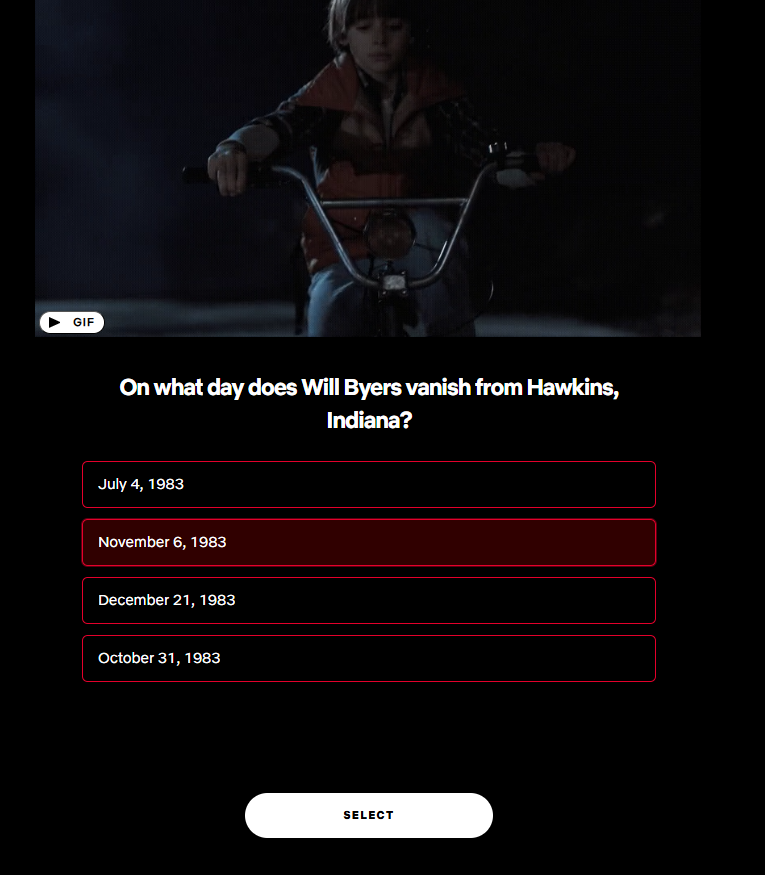
- Where it works best:
Interactive trivia works best on fast-scrolling platforms like Instagram Reels, YouTube Shorts, and in-feed videos, where creators need viewers to interact quickly instead of watching passively. - Why it works:
Trivia triggers curiosity and the urge to guess. Even one question is enough to make viewers pause, interact, and stay engaged for the next moment.
Example 2: Visual “Guess-Based” Trivia Videos (Emoji, Image, Object)
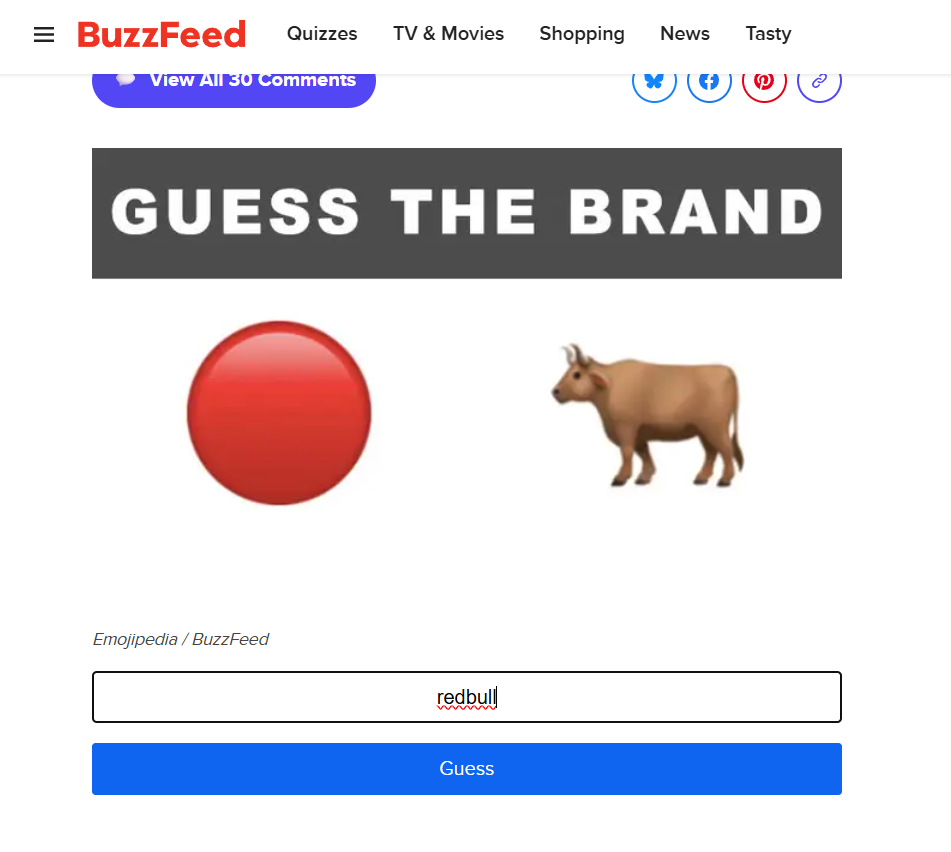
- Where it works best:
Visual guess-based trivia works best in swipe-heavy feeds like Instagram Reels and Shorts, where viewers decide in a split second whether to stay or move on. It’s especially effective when the visual itself communicates the challenge without needing explanation. - Why it works:
Because the answer is visual, viewers don’t need to read or think deeply before reacting. Recognition happens instantly, making interaction feel effortless and natural rather than like a task.
Example 3: Pop-Culture Trivia Videos (Movies, Quotes, Characters)
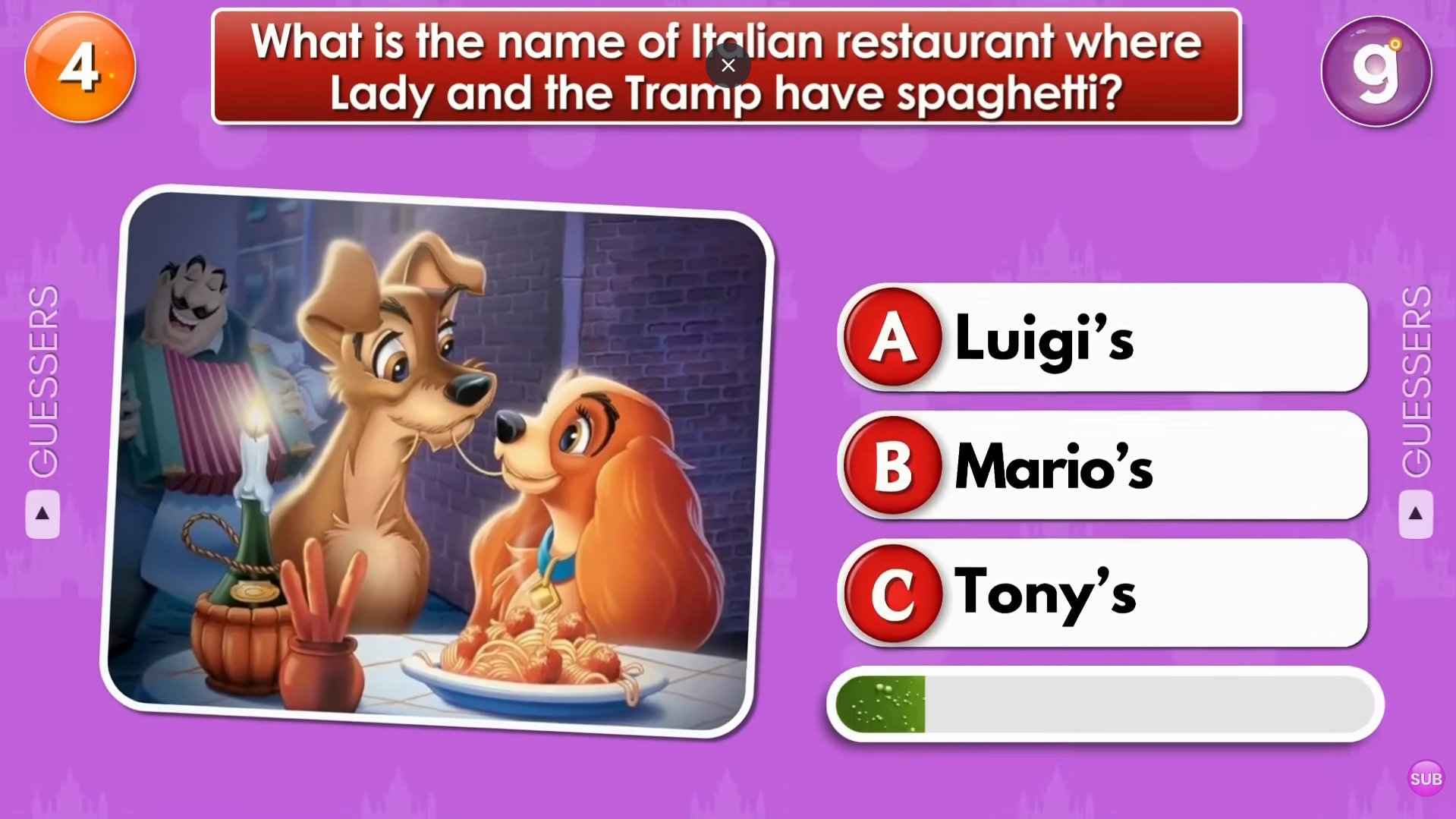
- Where it works best:
Pop-culture trivia works best when creators want instant familiarity, especially on platforms like Instagram Reels and YouTube Shorts where viewers are already immersed in entertainment content. It fits naturally into feeds focused on movies, shows, and fandom-driven creators. - Why it works:
Instead of asking viewers to think or guess quickly, pop-culture trivia relies on shared recognition. When viewers recognize a quote or character, they feel included, which makes participation feel effortless and rewarding rather than challenging.
Choose Your Path Videos That Keep Viewers Actively Involved
Branching interactive videos allow viewers to influence how a story or experience unfolds. Viewers make choices at key moments that determine what they see next. This format gives audiences a sense of control, turning video into a personalized experience rather than a fixed storyline.
Example 4: Choose-Your-Own-Story Videos
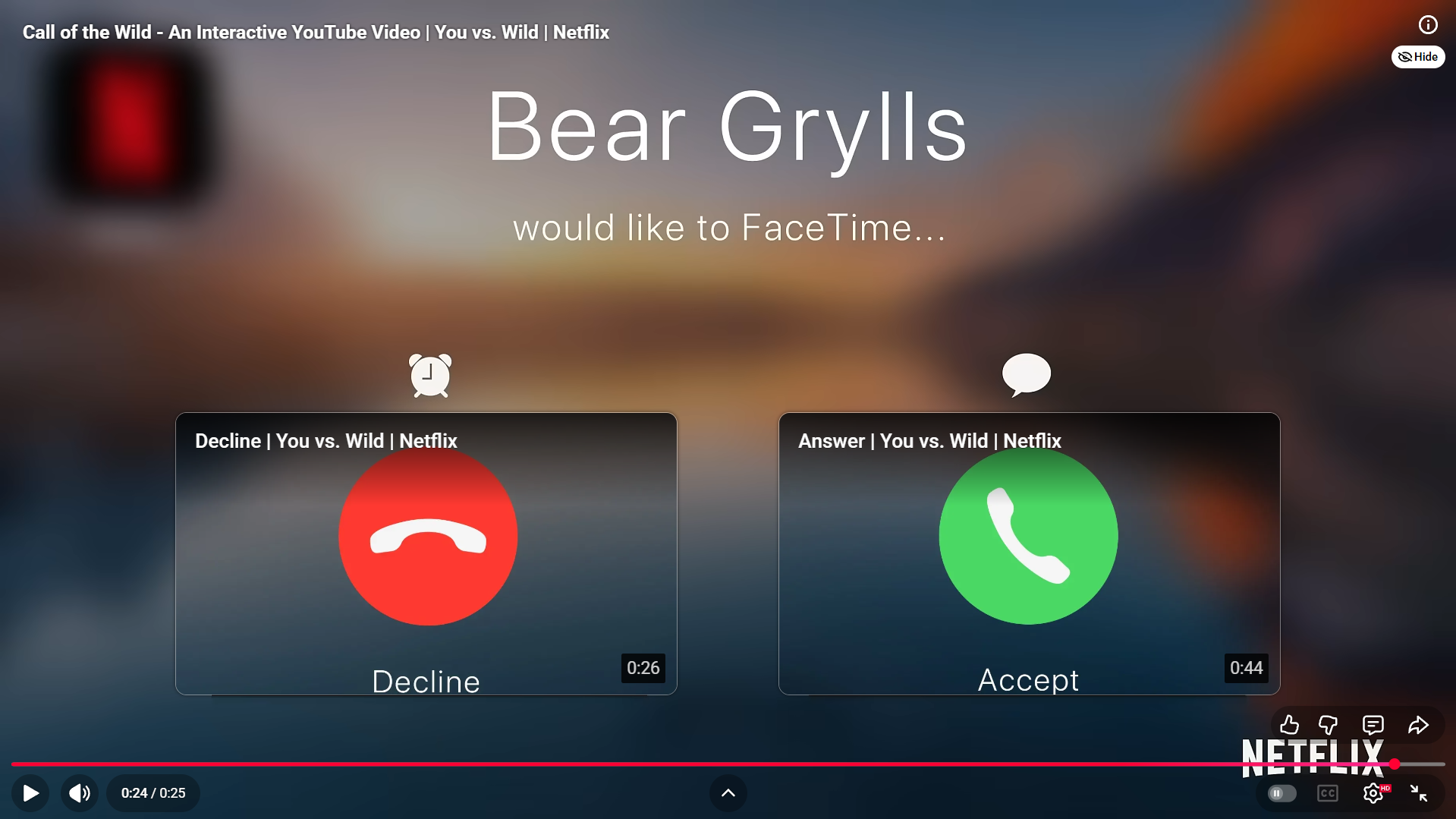
- Where it works best:
Choose-your-own-story videos work best in longer form Reels, episodic content, or brand-led storytelling where creators want viewers to stay invested beyond the first few seconds. They’re especially effective when the narrative unfolds over multiple choices rather than a single interaction. - Why it works:
Once viewers make a choice, they feel responsible for what happens next. That sense of control creates commitment, making viewers more likely to keep watching to see how their decision plays out.
Example 5: Scenario-Based Decision Videos

- Where it works best:
Scenario-based decision videos work best in educational, training, or brand storytelling content where creators want viewers to think through real situations. They fit well in workplace content, creator-led explainers, and problem-solving formats where context matters. - Why it works:
Because the scenarios feel realistic, viewers naturally project themselves into the situation. Making a decision based on personal experience increases relevance and keeps attention focused on the outcome.
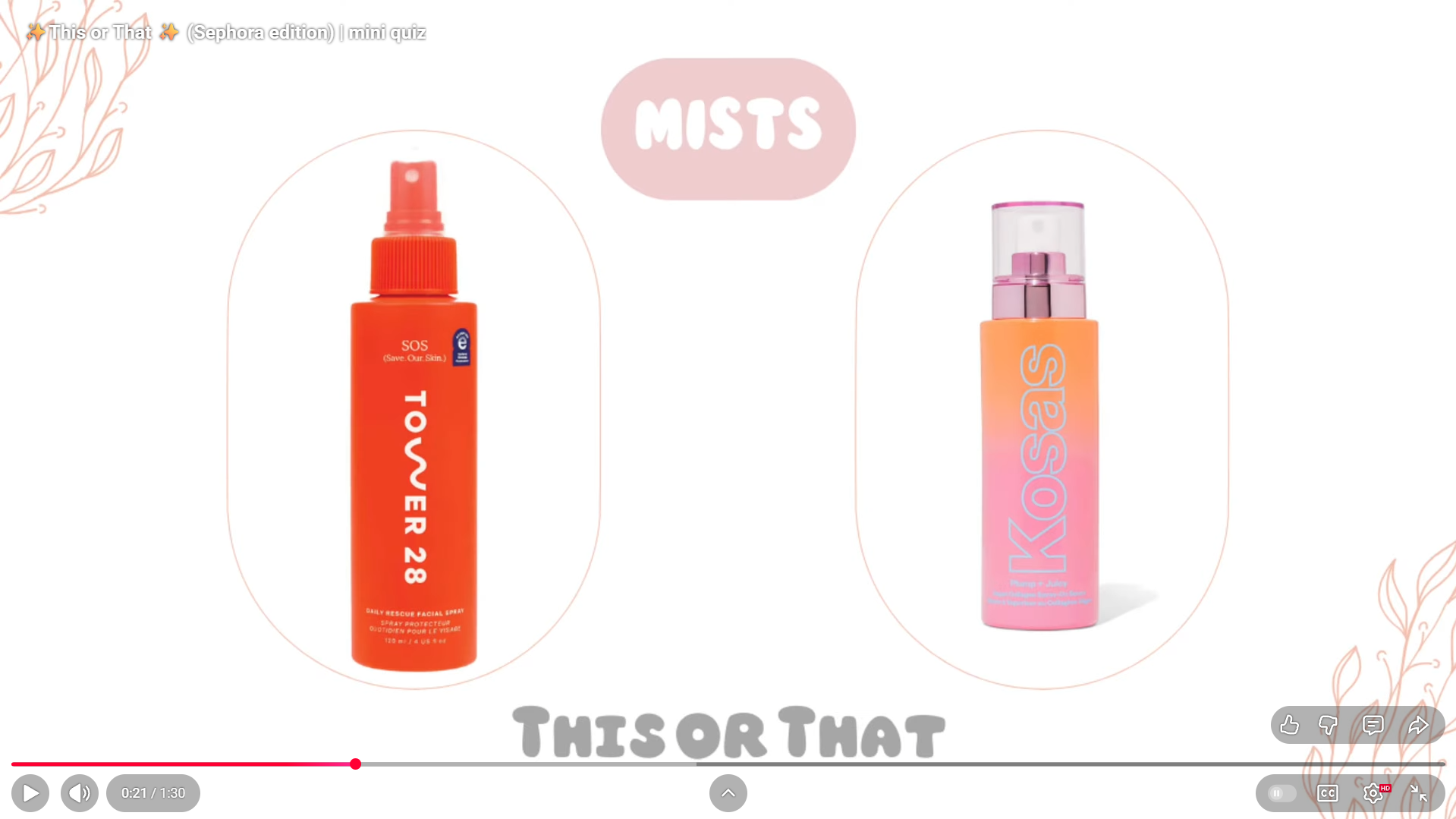
Example 6: Personalized Outcome Videos
- Where it works best:
Personalized outcome videos work best when creators want to help viewers make a choice, such as product selection, content recommendations, or guided discovery. They are especially effective in quizzes, onboarding flows, and decision-support content where viewers expect a tailored result. - Why it works
When viewers know their inputs shape the final outcome, they feel the experience is made for them. That sense of personal relevance motivates them to continue until the end to see their specific result.
Clickable Interactive Video Demos That Break Linear Watching
Clickable interactive video demos allow viewers to explore content at their own pace by interacting directly with elements inside the video, a concept explained in more detail in this interactive video creation guide. Instead of watching a fixed walkthrough, viewers can click on specific areas to learn more, making the experience more useful.

- Where it works best:
Clickable product feature demos work best in product-led content, onboarding videos, and explainer pages where viewers want to explore at their own pace. They are especially useful when a product has multiple features and not every viewer needs the same information. - Why it works:
This format lets viewers control what they learn and in what order. By removing the need to sit through irrelevant details, attention stays focused on the features that actually matter to the viewer.
Example 8: Interactive Walkthrough Videos

- Where it works best:
Interactive walkthrough videos work best in onboarding, tutorials, and how-to content where creators need to explain a process step by step. They are especially effective when viewers may join at different skill levels or want to skip ahead. - Why it works:
Allowing viewers to control navigation reduces confusion and frustration. When people can move at their own pace, they are more likely to understand the process and stay engaged through completion.
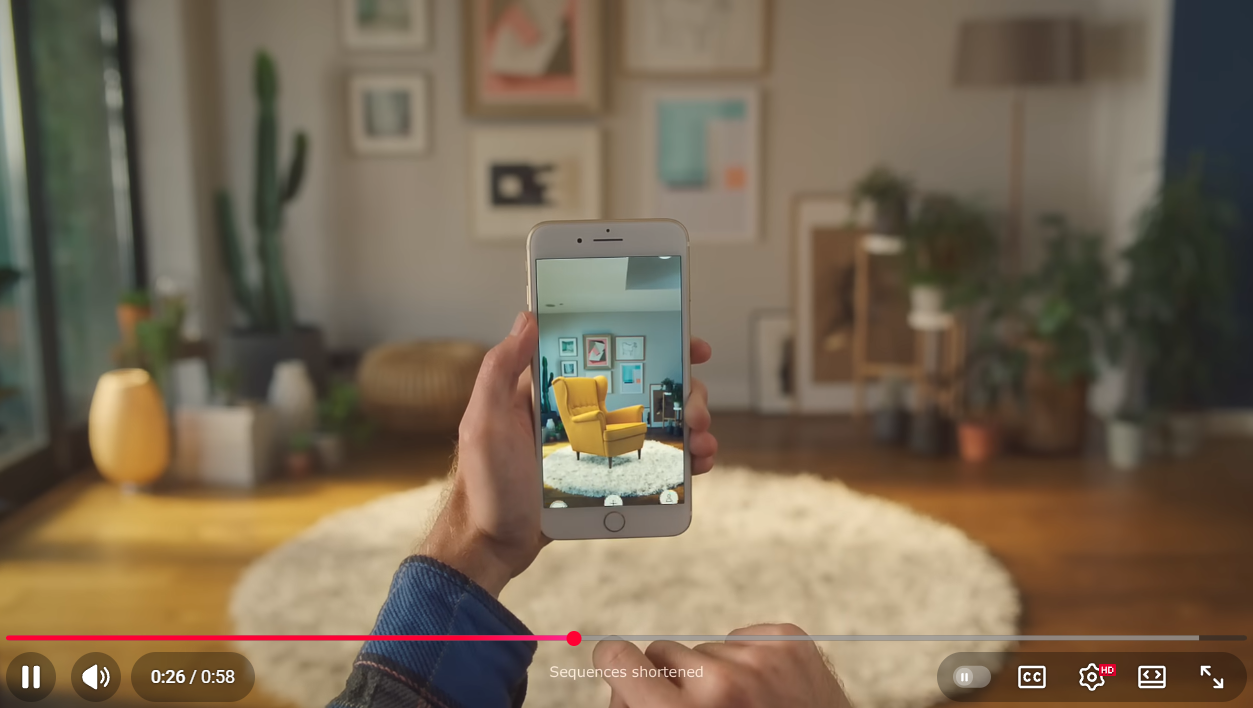
Example 9: Hotspot-Based Exploration Videos
- Where it works best:
Hotspot-based exploration videos work best when creators want to show rich environments or detailed visuals, such as product spaces, interiors, or complex scenes. They are especially effective when viewers need context to remain visible while exploring details. - Why it works:
Because the main video stays in view, viewers can explore information without losing their place. This keeps interaction lightweight and continuous, making exploration feel natural rather than disruptive.
Poll & Opinion-Based Videos Where Viewers Share What They Think
Instead of testing viewer’s knowledge or exploring features, poll and opinion-based interactive videos encourage viewers to express their opinions. Even in brief viewing sessions, these videos foster a sense of participation and make viewers feel heard by posing straightforward questions and recording their answers.
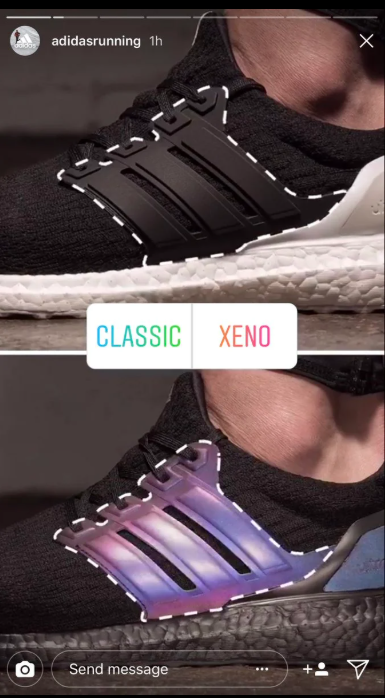
Example 10: Real-Time Poll Videos
- Where it works best:
Real-time poll videos work best in social feeds and live or near live content where creators want quick input from a broad audience. They are especially effective during announcements, opinions, or trend-driven topics where immediacy matters. - Why it works:
Because there is no right or wrong answer, participation feels low risk. Viewers are more willing to tap and respond when they are simply sharing an opinion, not being tested or judged.
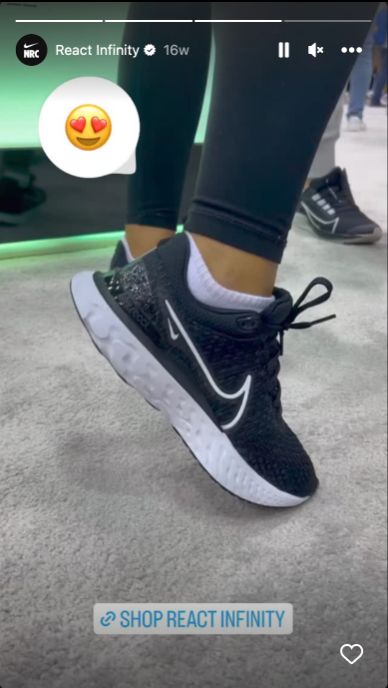
Example 11: Opinion-Based Reaction Videos
- Where it works best
Opinion-based reaction videos work best when creators want viewers to respond emotionally rather than analytically. They fit well in commentary content, creator opinions, and social posts reacting to trends, news, or cultural moments. - Why it works
When viewers see their reaction reflected as an option, they feel understood. That sense of emotional validation increases attention and makes participation feel personal rather than transactional.
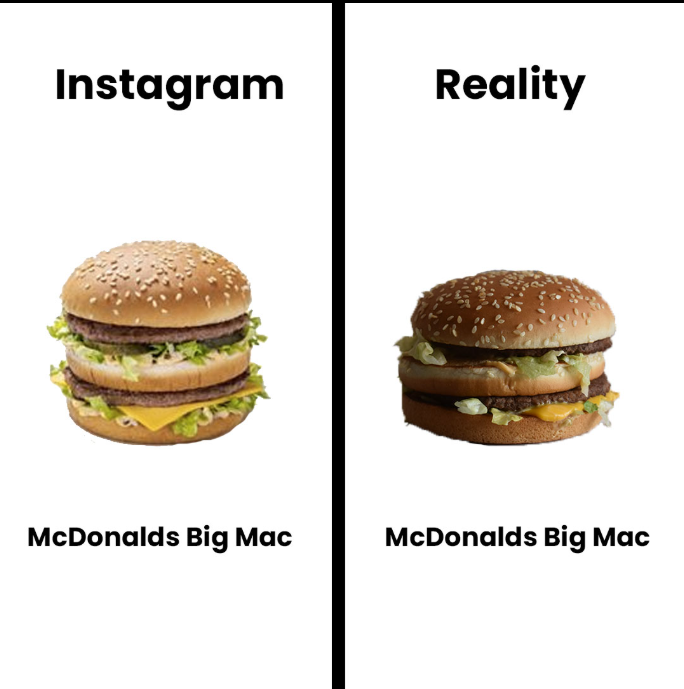
Example 12: Preference Comparison Videos
- Where it works best
Preference comparison videos work best when creators want viewers to make a clear choice, such as comparing styles, formats, ideas, or options. They fit well in recommendation content, before-and-after concepts, and quick decision moments in social feeds. - Why it works
Being asked to choose creates commitment. Once viewers pick a side, they are more likely to stay engaged to see how their choice compares or what comes next.
Gamified & Challenge-Based Videos That Prevent Early Drop-Off
Gamified and challenge-based interactive videos apply game like mechanics such as challenges, progress, or outcomes to video content.
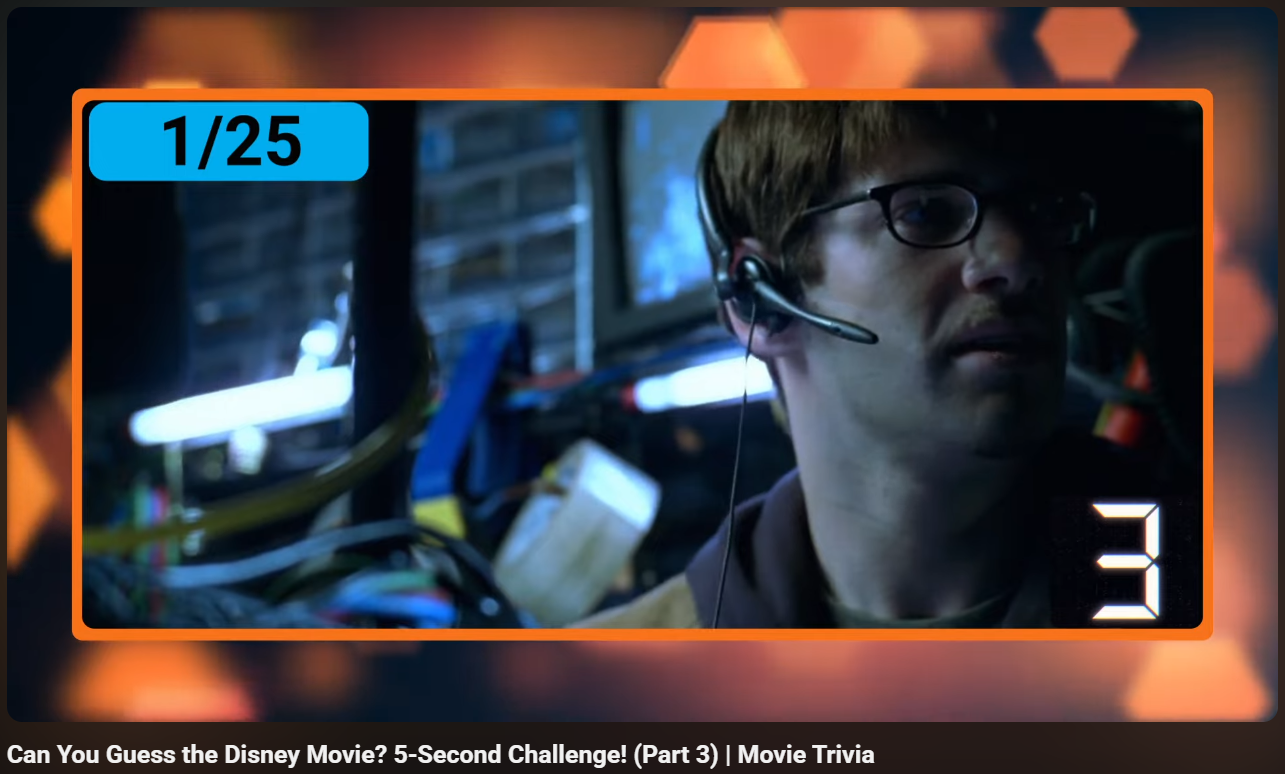
Example 13: Timed Challenge Videos
- Where it works best
Timed challenge videos work best in formats where viewers are aware of the clock, such as YouTube challenges, livestream replays, or platform-agnostic interactive videos. They are especially effective when creators want viewers to stay focused until the challenge is completed. - Why it works
A visible time limit creates urgency. When viewers know they have only a few seconds, they focus more intensely and are more likely to stay until the challenge ends.
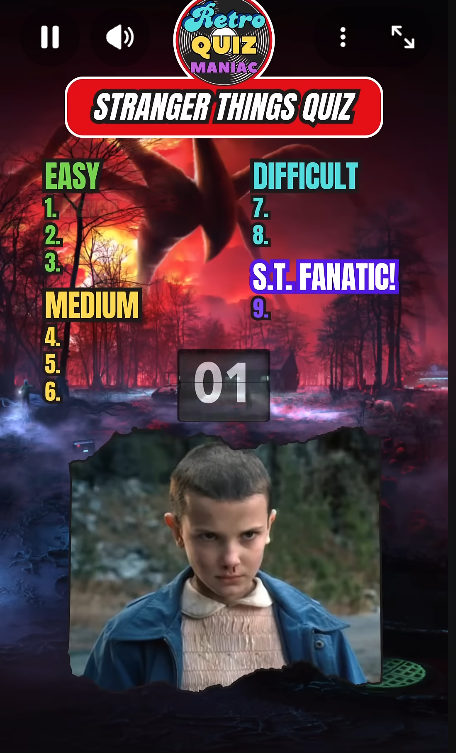
Example 14: Progress-Based Quiz or Challenge Videos
- Where it works best
Progress-based quiz or challenge videos work best when creators want viewers to commit to a multi-step experience, such as longer challenges, episode-style content, or structured quizzes. They are especially effective when the experience is designed to be completed rather than sampled. - Why it works
Seeing progress creates a sense of investment. Once viewers notice they are partway through, they are more likely to continue until they reach the end.
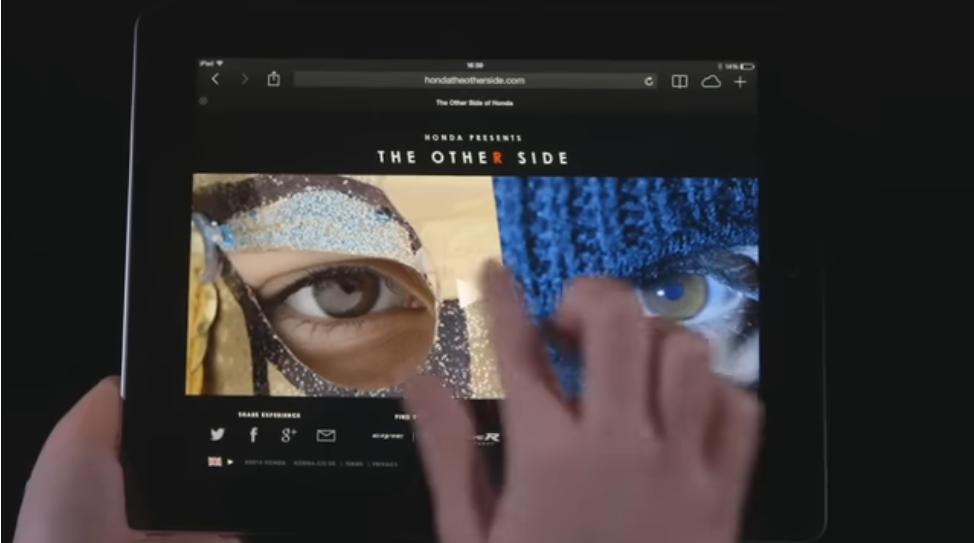
Example 15: Outcome-Driven Game Videos
- Where it works best
Outcome-driven game videos work best when creators want the entire experience to lead toward a clear result, such as an ending or outcome reveal. They are especially effective in branded games, campaign videos, and interactive storytelling, where the payoff comes at the end. - Why it works
When viewers know their actions shape the final result, they stay engaged to see how everything adds up. The anticipation of the outcome gives the experience purpose and direction.
Why Interactive Videos Matter Moving Forward
Interactive videos work because they change how viewers behave.
Across these 15 examples, one pattern shows up consistently: when viewers are invited to make a choice, respond, or progress through an experience, they are more likely to stay present instead of scrolling past.
The format matters less than the intention behind it. Small, well-placed interactions can turn passive watching into active involvement.
For creators, this is encouraging. You do not need high production value or complex setups to make interactive video work. Many of the strongest formats rely on simple mechanics like questions, decisions, progress, or outcomes.
What matters is designing moments that give viewers a reason to participate, not just watch.
Tools can help simplify this process. Platforms like Trivia by Typito AI make it easier to experiment with interactive formats such as trivia, challenges, and branching videos, allowing creators to focus on applying these patterns rather than building everything from scratch.